
Loading…
Their redesign was ready. We helped them know it would land before they pushed it live.

The brand
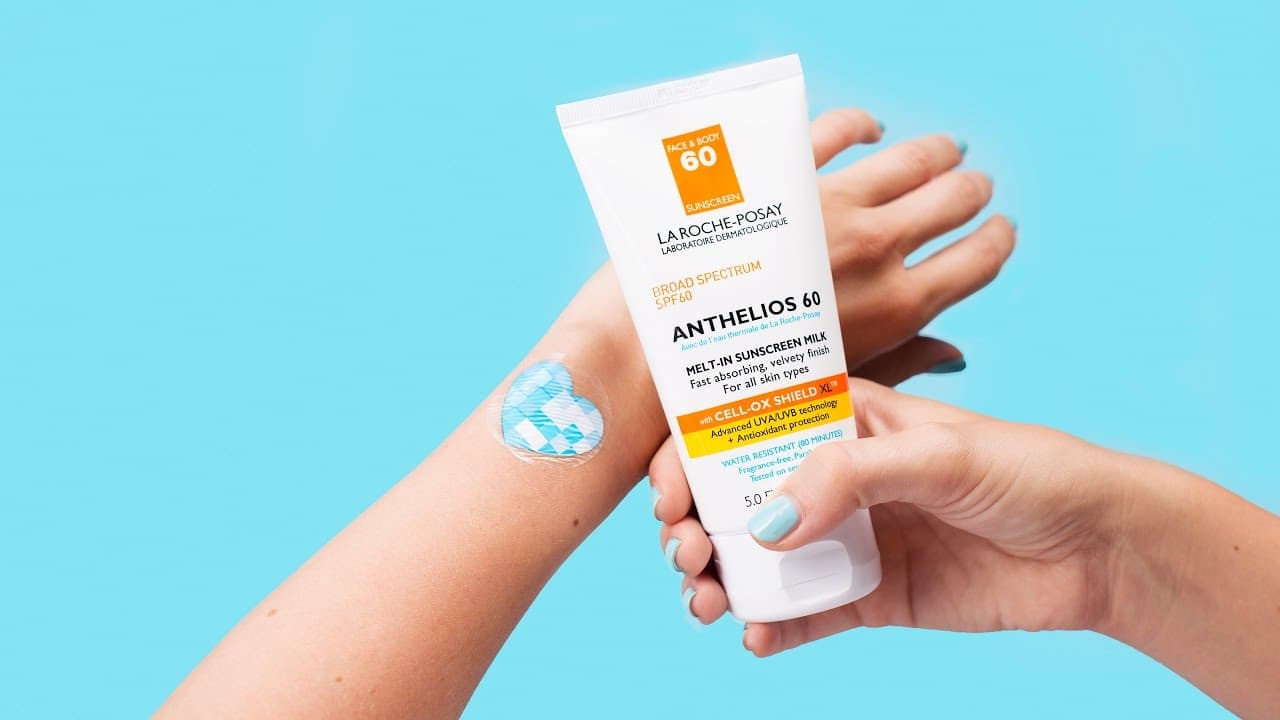
LovelySkin is the largest dermatologist-owned skin, hair, and beauty retailer in the world, with a curated assortment and editorial depth that makes the site read more like a trusted resource than a transactional storefront. By the time they came to surefoot for help on a major site redesign, we'd already been their CRO partner for four years.
Their in-house design team had a strong visual direction. The redesign was going to look better. What the team wanted was a way to be sure nothing was being missed before launch, and evidence stakeholders could trust when sign-off rolled around.
The impact
Heading into a site redesign with major functionality changes and UI updates was an overwhelming project. Our partnership with Surefoot allowed us to test our way into those updates, leaving us feeling confident that every move we made was the right one for our users. The results speak for themselves: increases in AOV & conversion rate, all while improving our website's look, feel and usability. A massive win for LovelySkin!

The challenge
LovelySkin had years of accrued performance and a loyal audience. A blind redesign launch could have cost both.
The in-house designers had a clear vision and strong instincts. They needed an outside lens to surface what familiarity had stopped them from seeing.
A redesign of this scope had internal stakeholders to convince. Without evidence behind each decision, sign-off was a series of judgment calls.
The approach
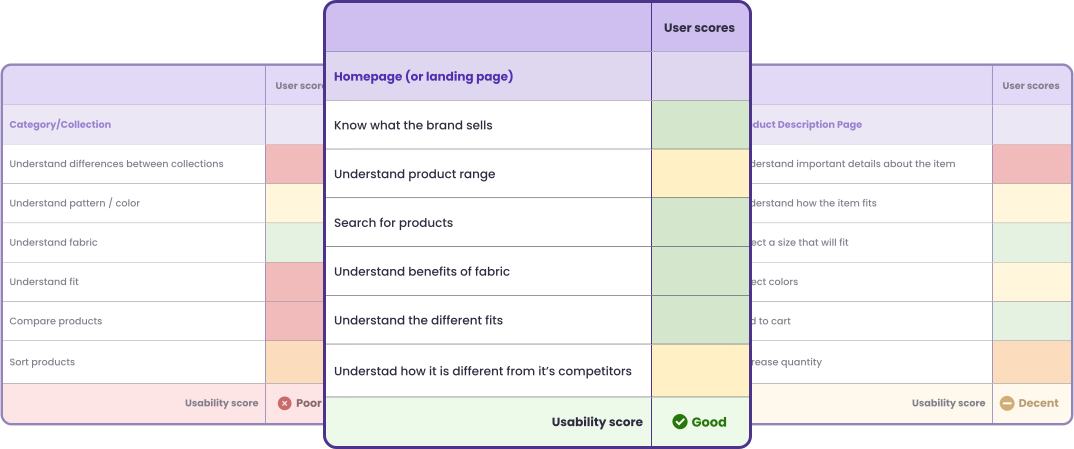
We sequenced three rounds of 1:1 user interviews around the in-house team's prototype cycle, so research and design moved together instead of one waiting on the other.
Each round of interviews on the high-fidelity prototypes surfaced what real LovelySkin customers tripped on, agreed with, or didn't notice. The design team folded the findings into the next iteration.
Ten on-site A/B tests were run on the most consequential pieces of the new design and functionality, so the riskiest changes shipped as known quantities, not bets.
By the time the redesign went live, every major decision had either research notes or a test result behind it. Stakeholders had something to point to, not just an opinion.
What we learned
Three rounds of interviews caught issues the in-house team had stopped noticing, and each round sharpened the next prototype.
You don't have to test everything. Testing the few things most likely to move the needle is enough to launch with confidence.
A redesign of this scale needs internal alignment as much as customer signal. The paper trail of research and tests is what made every change defensible.
The results
LovelySkin launched a redesigned site with new functionality, an updated brand direction, and a measurable lift in both conversion rate and AOV. No performance dip. No post-launch scramble. Every meaningful change had research or test data behind it before it went live.
The takeaway
They'd built a redesign they believed in. Putting it in front of real customers first is what turned a hopeful launch into a confident one.
Frequently asked
Combine two methods. Use 1:1 user interviews on a clickable high-fidelity prototype to surface confusion, friction, and missed expectations that no metric will catch until launch. Then run targeted A/B tests on the highest-stakes pieces of new functionality on the live site, so you ship the riskiest changes as known quantities. The interviews tell you what to investigate; the tests prove what works.
Usually no. A clean full-site head-to-head test is hard to run cleanly, and it answers a question that's already been made by the design team. The higher-leverage move is to identify the few highest-stakes pieces of new functionality and test those individually before launch. LovelySkin ran 10 targeted A/B tests on the riskiest pieces of their redesign, not one all-or-nothing experiment.
They answer different questions. User interviews catch the things you missed: confusion, friction, copy that doesn't land. A/B tests measure whether a specific change moves a specific number. Use research to find what to investigate, then test what carries the most risk. On LovelySkin, the interviews surfaced what to sharpen in the prototypes; the tests proved out the changes most likely to move conversion rate and AOV.
That's exactly why this happens before launch instead of after. Catching a usability issue in a prototype interview means the design team can iterate without delaying the project. Catching it from post-launch metrics means stakeholders, support tickets, and your conversion rate all find out at the same time you do. Rolling back is much more expensive than iterating.
Yes, if research runs alongside design instead of after it. We sequenced LovelySkin's three rounds of 1:1 interviews against the in-house team's prototype cycles, so the design and research loops overlapped. The pre-launch A/B tests ran on new functionality as it was built. Nothing waited on anything.
Modern Home & Living
A CRO program scored on what a lead was worth, not just how many came in
Read case study
Sports & Recreation
Building a conversion program that respects what shoppers already know.
Read case study
Outdoor & Travel Gear
A clean pre/post test let Peak Design swap free US shipping for a $99 threshold, lifting AOV 17% and cutting annual shipping costs without a hit to net revenue.
Read case study